The Puppy Potty Plan is a short-visit service for new puppy owners who need reliable weekday potty breaks while they’re working. It’s built around repeatable routines and weekly packages, so it stays simple for the owner and profitable for you. The profitable version isn’t chasing random one-off visits across town. It’s simple: short stops, a tight route, sold as weekly packages. When the same homes repeat on the same days, the work stays calmer—and the income becomes predictable.
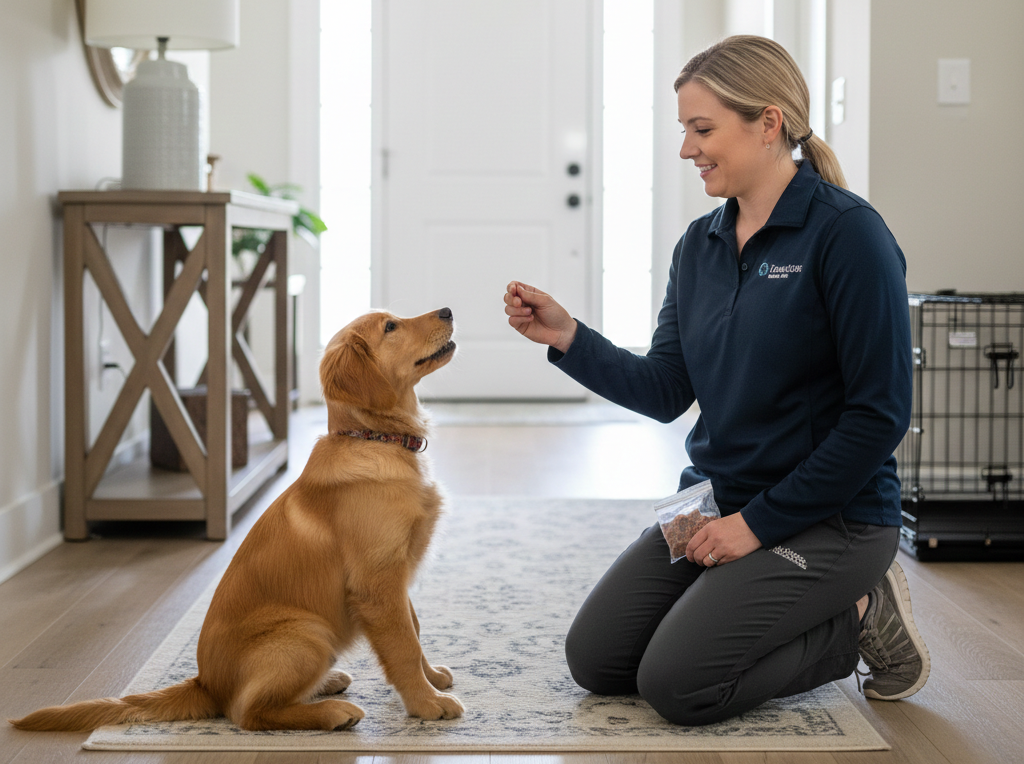
Great fit if:
You like routine work
You can show up on time
You don’t mind repeating the same simple checklist (because that’s what puppies need)
Not a great fit if:
You’re not comfortable with young, unpredictable puppies
You don’t want responsibility for accidents/cleanup boundaries
You want flexible “whenever works” bookings
Ideal for
Route-based walkers, new pet-care businesses
Startup cost
Low. You can start with basic supplies and a phone
How you get paid
Weekly packages (best), prepaid bundles, add-ons
Biggest profit lever
Tight route + repeat schedule
Main risk
Trust + safety (keys, home access, puppy health, accidents)
What dog owners are really paying for
They’re not paying for “15 minutes.” They’re paying for peace of mind. They want:
-
Predictability: the visit happens in the agreed window, every time.
-
Routine: the same potty process so training actually sticks.
-
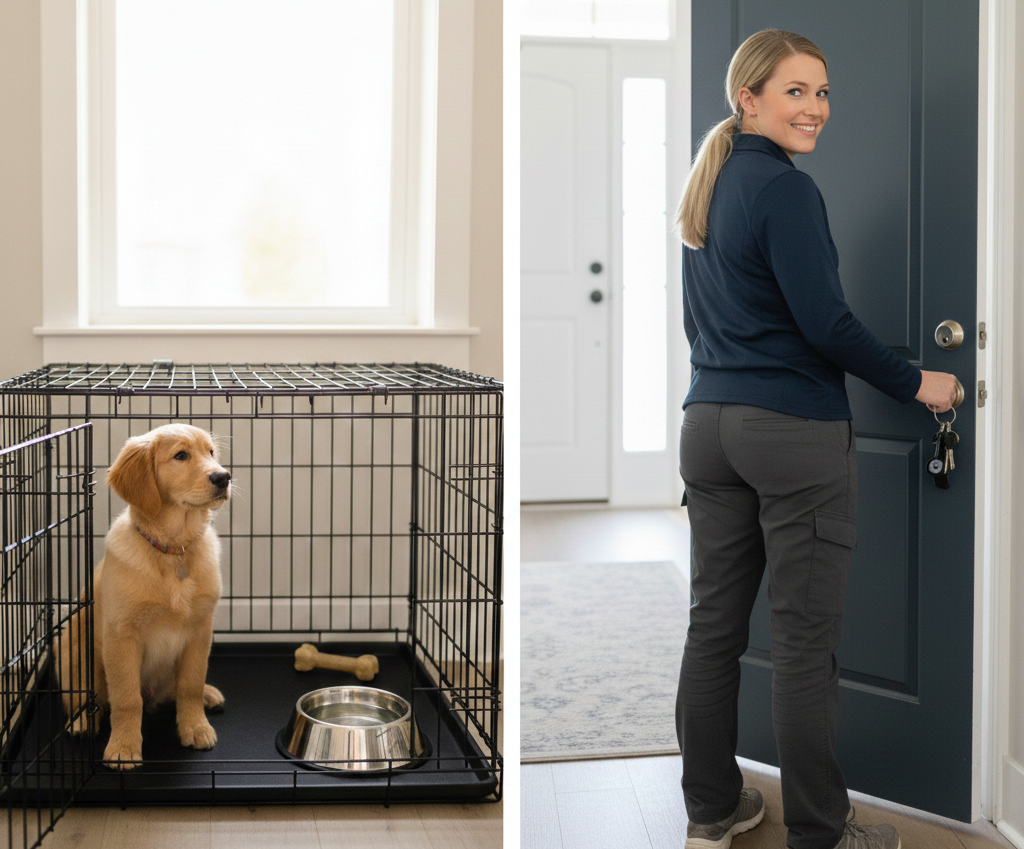
A safe reset: crate/door check, water check (if included), puppy settled.
-
Proof: a simple update so they can stop worrying.

The 2026 Tech Edge
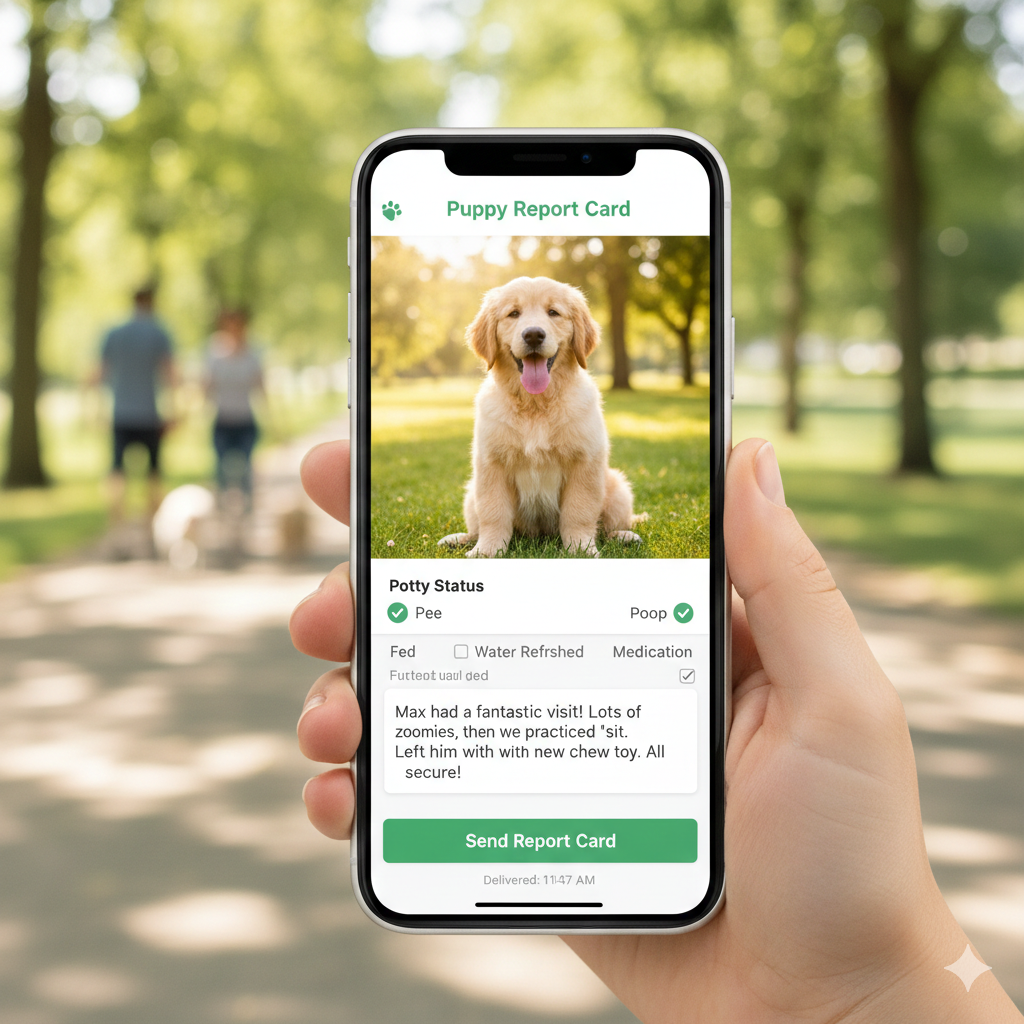
In 2026, “proof” usually means a GPS-stamped check-in, not just a photo later. Use a tool like PocketSuite or Time To Pet to trigger an automatic text the second you arrive. It eliminates the #1 puppy-owner anxiety: “Did they actually show up?”
Expert tip: Dog trainer Wendi Tabor notes that dogs shouldn’t have to “hold it all day”—a midday potty visit helps prevent accidents that slow down housebreaking.
Time math (this is where people lose money)
A “15-minute” puppy visit is almost never just 15 minutes. The visit itself is short, but there’s always setup, reset, and communication.
A realistic stop often looks like this:
-
2–4 min: park, enter, settle puppy
-
3–6 min: potty attempt + quick routine (cue → praise → back in)
-
2–4 min: water/crate reset or short play (only what’s agreed)
-
2–3 min: wipe paws, clean up, lock up
-
1–2 min: send the update
That’s why distance kills profit. If you’re driving 15–20 minutes between homes, you didn’t sell a short visit—you sold a chunk of your day.
Route Density Rule (the 10-minute rule)
If the visit is 15 minutes, your drive time needs to stay under 10 minutes most of the time. If you spend 20 minutes driving for a 15-minute visit, your effective hourly rate can get cut roughly in half compared to a tight route.
| Scenario | Visit time | Drive time | Minutes per stop | Stops per hour (aprox.) |
|---|---|---|---|---|
| Tight route | 15 | 5 | 20 | 3.0 |
| OK route | 15 | 10 | 25 | 2.4 |
| Bad route | 15 | 20 | 35 | 1.7 |
Tight route: 15 min visit + 5 min drive = 20 min per stop → ~3.0 stops/hour
OK route: 15 min visit + 10 min drive = 25 min per stop → ~2.4 stops/hour
Bad route: 15 min visit + 20 min drive = 35 min per stop → ~1.7 stops/hour
Pricing that works (keep it clean)
Don’t build a giant menu. Set one base rate, then charge extra only when the work actually changes.
Simple pricing method
-
Pick a base rate for a 10–15 minute puppy potty visit
-
Add clear modifiers when needed
Common modifiers:
-
weekend/holiday
-
same-day request
-
second puppy (more handling time)
-
extra cleanup beyond “normal” (define what normal includes)
-
medication add-on (only if you offer it)
Numbers at a glance: planning profit
Scenario table (monthly gross)
Estimated figures based on 2026 urban market averages. Assume 4.33 weeks/month (swap pricing for your area).
| Scenario | Walks/week | Price per walk (sample) | Est. monthly gross | What makes it work |
|---|---|---|---|---|
| Starter route | 12 | $25 | ~$1,140 | A few repeat homes close together |
| Profit route | 30 | $24 | ~$3,120 | Weekday packages + tight windows |
| Strong route | 50 | $26 | ~$5,630 | Dense route + smooth systems + add-ons |
Starter route: 12 walks/week × $25 per walk = ~ $1,140/month gross (a few repeat homes close together)
Profit route: 30 walks/week × $24 per walk = ~ $3,120/month gross (weekday packages + tight windows)
Strong route: 50 walks/week × $26 per walk = ~ $5,630/month gross (dense route + smooth systems + add-ons)
This is why puppy visits can outperform “random walks.” You’re selling frequency and repeatability, not longer sessions.
Starter service menu
(keep it boring on purpose)
Start with a small menu you can deliver without stress. Add extras once the route is stable.
Core offers
1) Weekday Puppy Potty Package (2x/weekday)
For owners who want a predictable rhythm.
2) Workday Relief (3x/weekday)
For full workdays or younger puppies.
3) New Puppy Onboarding (1–2 weeks)
A structured starter plan that sets routine fast (and sets expectations fast).
Premium add-ons (easy to sell, easy to explain)
-
feeding / water refresh (if included)
-
quick training reinforcement (sit/wait/leash calm)
-
medication add-on (with written instructions)
-
post-surgery “slow support” visits (calm + controlled)
-
“high-energy reset” upgrade (only when safe and planned)
Getting clients: two lanes (fast + durable)
Fast traction: marketplaces, local community posts, referrals from friends/coworkers
Durable trust: Google Business Profile + reviews, partner referrals (trainers, groomers, pet boutiques, apartment offices)
Puppy owners talk. If you’re consistent, referrals happen quickly.
How to win with puppy clients in 2026
-
Sell a window, not a minute. (“10:30–11:30” beats “11:00 sharp.”)
-
Lead with routine. Puppies improve when the routine repeats.
-
Set boundaries early. Make what’s included very clear.
-
Protect your route. Tight radius first, everything else second.
-
Package first. Single visits are the exception, not the business.
Simple message that converts:
“Puppies do best with a weekday package so the routine stays consistent. I’ll send a quick update after each visit so you’re never guessing.”
- Make updates a product feature. Every visit gets the same 3-part update: photo + one sentence + bathroom/energy notes. This is the trust builder that keeps clients from price-shopping.
- Have one memorable standard people repeat. Choose one: “arrival window guarantee,” “heat-smart walk rules,” or “calm-walk option.” Put it on your page and say it the same way everywhere.
- Package around real-life needs (not minutes). Example: “Workday Routine,” “Puppy Potty Plan,” “Senior Slow Walks,” “Two-Dog Household.” People buy outcomes, then you attach the walk length inside the plan.
- Use simple content as proof (no influencer vibe). Post short local-friendly clips: “how my routes work,” “what you’ll get after each walk,” “what a good update looks like.” This makes you feel established before someone even messages you.
- Keep your admin ‘smooth’ with templates. Use saved message templates (or AI to draft them once) for onboarding, confirmations, and package offers—then personalize. Clients don’t care how you wrote it; they care that it’s clear and fast.
Eco-friendly differentiators (small details that justify better clients)
Some owners will choose you because your business signals “thoughtful and modern.” Two easy differentiators:
-
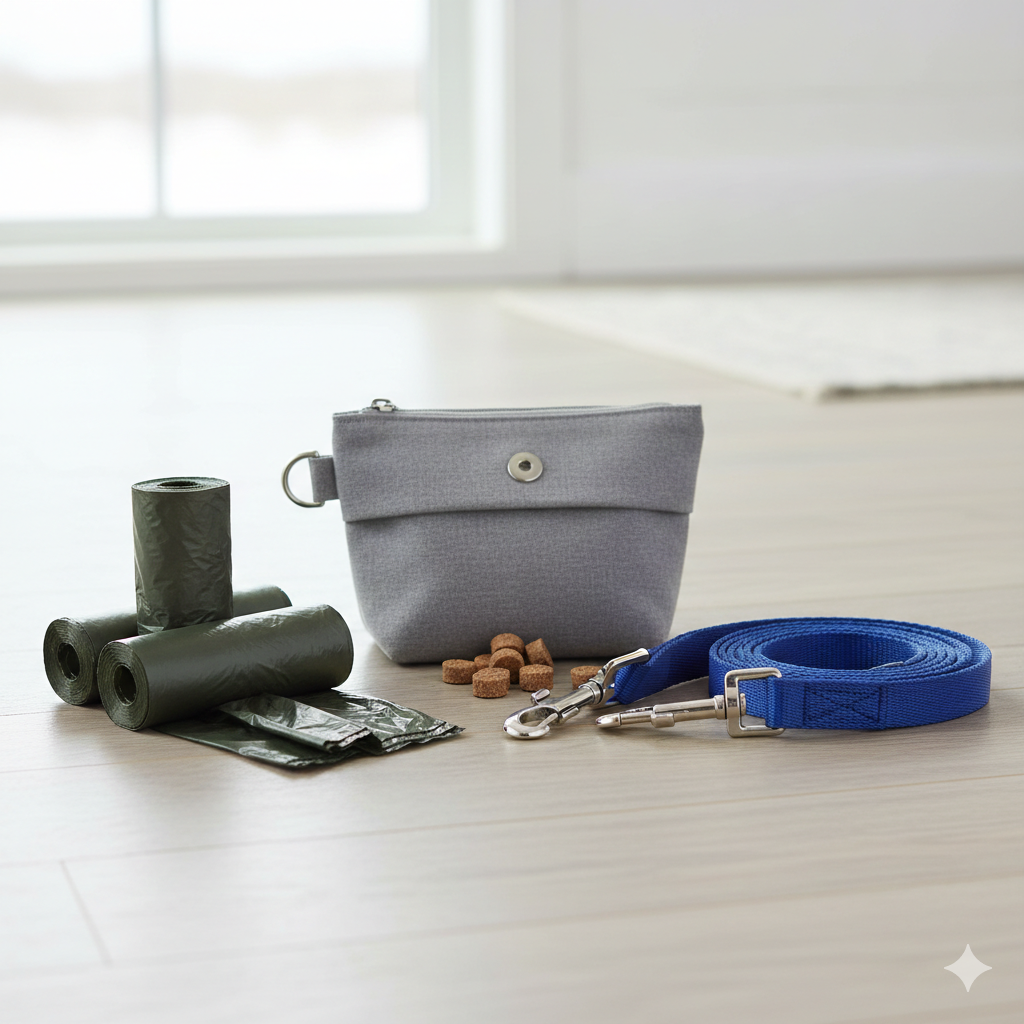
Biodegradable bags + clean route habits (small detail, big impression)
-
Walkable/bike-based micro-routes where it makes sense (less noise, less delay, more consistency)
You don’t need to over-explain it. One sentence on your page is enough: “Eco-friendly route practices (biodegradable supplies and efficient local routes).”
Trust + safety (don’t skip this)
Puppy visits involve keys, home access, and tiny chaos machines. Clear policies make you look professional.
Trust checklist
-
pet first aid/CPR training (strong signal)
-
written emergency plan (who gets called, vet info, authorization)
-
simple service agreement
-
insurance appropriate for pet care
-
key/access system you can explain in one sentence
Policies to decide before you get busy
-
cancellation window
-
weather rules (heat/cold limits)
-
what “standard cleanup” includes
-
crate vs free-roam rules
-
bite/aggression policy
-
vaccination expectations (especially for young puppies)
FAQ
How much should I charge for puppy potty visits in 2026?
Base rate + simple modifiers works best. Packages are where this turns into steady income.
How many visits do puppy owners usually need?
Many choose 2–3 weekday visits depending on age and schedule. Your job is recommending the package that keeps the day calm.
Do I need a license?
Depends on location. Most owners care more about professionalism: clear policies, insurance, and consistent updates.
Is this profitable as a side hustle?
Yes—if your route is tight and you sell packages. Scattered one-offs are how people get busy without getting paid.
The Puppy Potty Plan is a short-visit route business. Keep it local, sell it as packages, send clean proof every time, and the work stays calm while the income becomes predictable.
Puppy visits are the perfect ‘gateway’ service. Once your puppy clients hit 6 months old, they transition into your high-margin adult routes. See the full Dog Walking Business Idea here.