Dog walking remains one of the easiest “first businesses” to launch: low barriers, no storefront needed, and a clear value—happy, exercised dogs and relieved owners. But the real money comes when you shift from one-off walks to dense routes, repeat clients, and weekly packages.
Most beginners build the hard way: scattered appointments, endless driving, unpredictable income, and a calendar that runs their life. The profitable version is calmer: a tight service area, consistent time slots, and packaged plans that lock in recurring revenue.
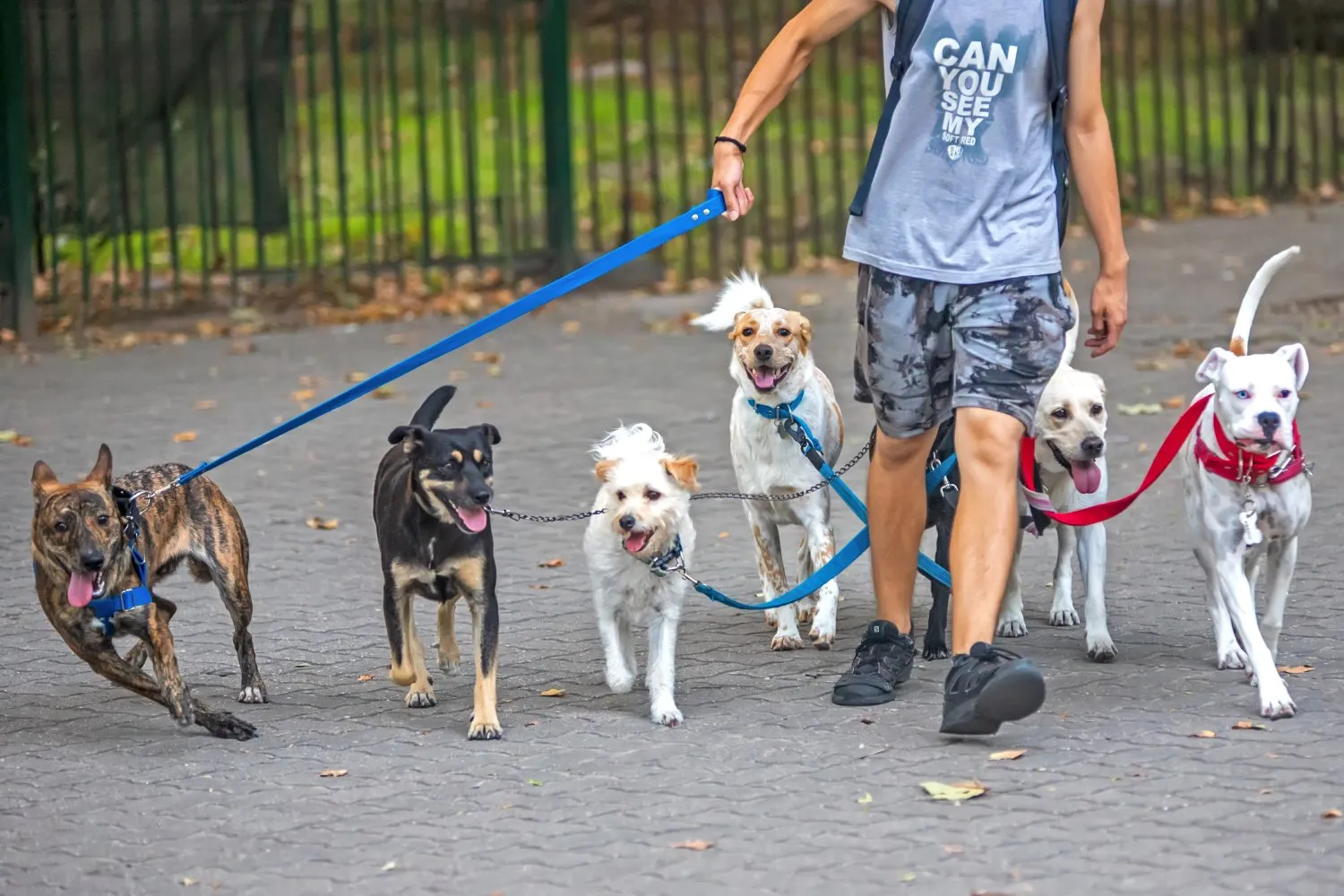
Is Dog Walking Right for You in 2026?
Great fit if you want:
You can start small without a storefront
It can grow into repeat income
It rewards consistency more than flashy marketing
Poor fit if:
You hate being outdoors in heat/cold/rain
You can’t commit to showing up at roughly the same times most weekdays
You want a business that’s entirely remote
Ideal for
Beginner-friendly local service, side income → scalable route business
Startup cost
Low (basic gear + simple systems)
How you get paid
Per walk → weekly packages → add-ons per household
Biggest profit lever
Route density (clients close together)
Main risk
Travel time, last-minute requests, and safety/liability if you run it loosely
What dog owners are really paying for
A lot of content frames dog walking as “get paid to walk.” That’s not what your best clients are buying. They’re paying for:
- Reliability. Same days, same general time window.
- Safety. Calm handling, good judgment, and clear boundaries.
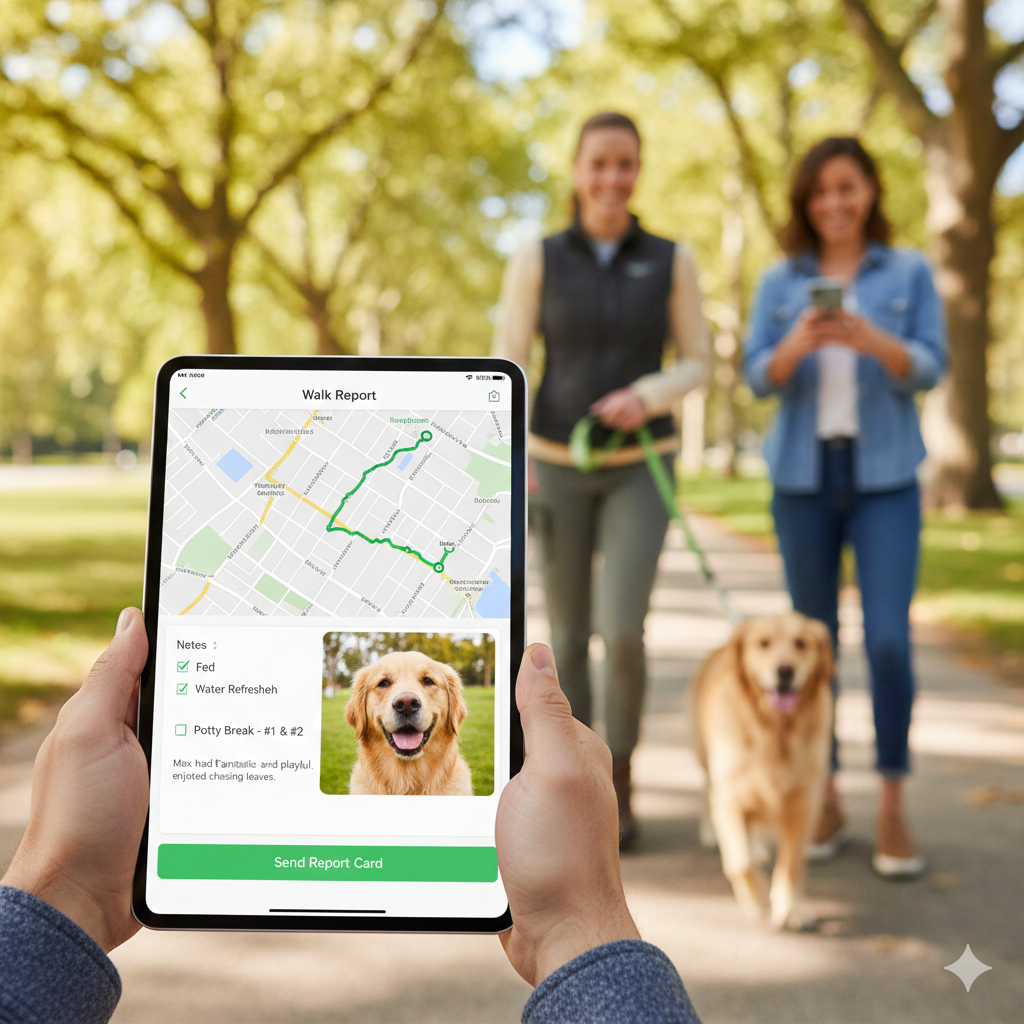
- Proof. A photo and a quick, specific update every visit.
- Routine. Dogs thrive on routine, and owners will pay to protect it.
If you deliver those four things consistently, you don’t have to compete only on price.

The Real Time Math: Why a “30-Minute Walk” Isn’t 30 Minutes

This is where profit is won or lost. A “30-minute walk appointment” often includes:
- travel to the home,
- entry/exit and leashing,
- the walk itself,
- quick water refill / towel paws,
- a photo + a short update,
- travel to the next stop.
So yes, the walk may be 30 minutes, but the stop can take 40–60 minutes depending on distance and complexity. That’s why the business is not “how many walks can I do?” It’s “how many walks can I do close together?”
Pricing That Works in 2026
Rates vary hugely by location, but recent data (Time To Pet’s calculator, industry reports from 2025–2026) shows U.S. averages for a 30-minute walk around $20–$30, with many pros charging $24–$34 (higher in cities, lower in suburbs/rural areas).
Use this realistic band as your starting point.
Simple pricing method for beginners:
Start with a base price you feel comfortable delivering consistently. Then adjust with three “fair” modifiers:
1) Distance / route fit. If a request breaks your route and adds travel, it should cost more (or you decline it).
2) Complexity. Multiple dogs, special handling, stairs/high-rise entry, longer leash-up time, “needs slow routine,” etc.
3) Time window. A narrow time window has a real operational cost.
If you’re new, keep pricing simple at launch. You can refine it after your first 10–20 walks when you understand your real time per stop.
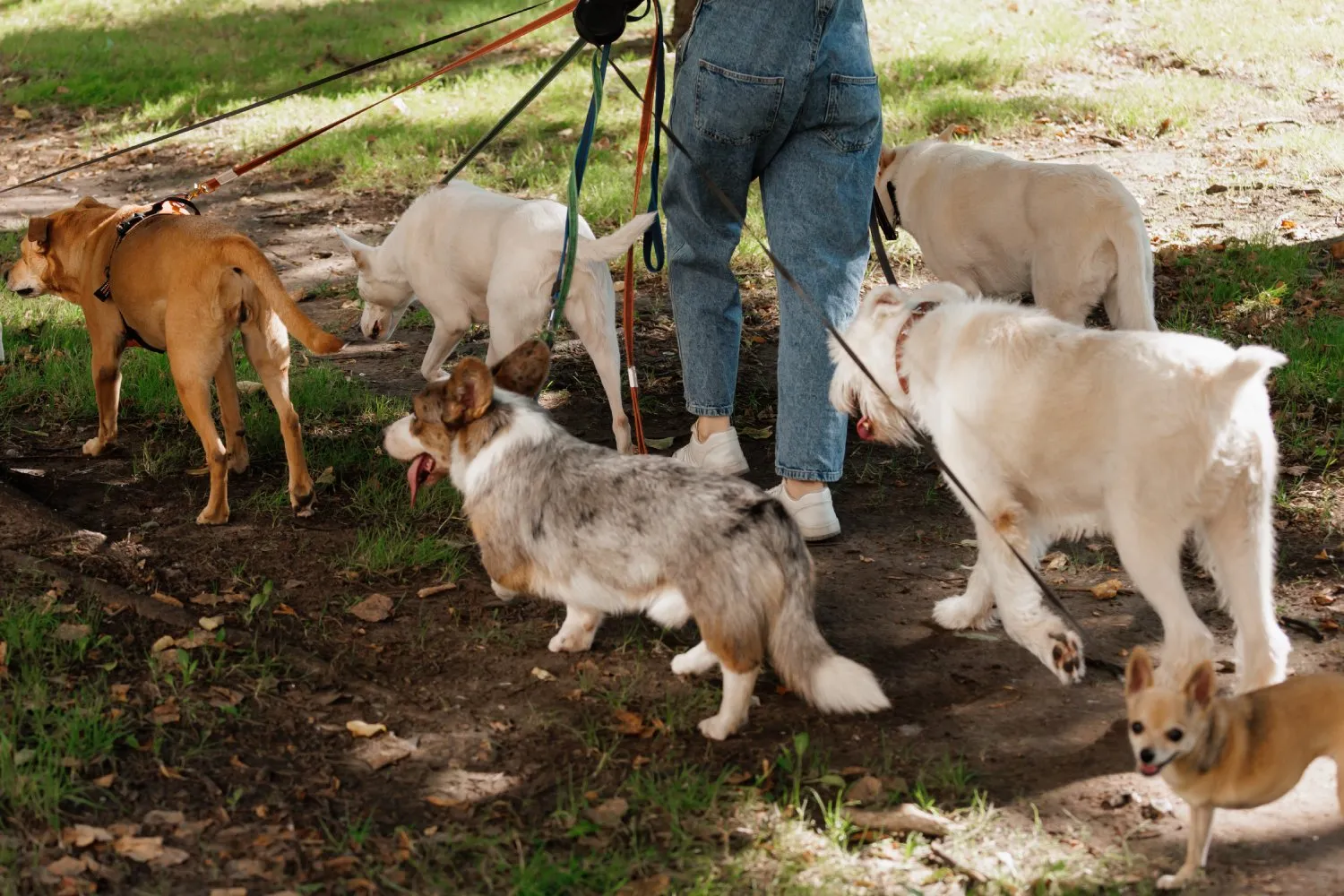
Numbers at a glance: planning profit
Below is planning math so you can “see” how this becomes real income. Replace prices with your market and your schedule.
Scenario table (monthly gross)
Assume 4.33 weeks/month.
| Scenario | Walks/week | Price per walk (sample) | Est. monthly gross | What makes it work |
|---|---|---|---|---|
| Starter route | 12 | $25 | ~$1,300 | Repeat clients close together |
| Profit route | 25 | $29 | ~$3,140 | Packages + tight route |
| Strong route | 40 | $29 | ~$5,020 | Dense route + smooth systems |
Starter route: 12 walks/week × $25 per walk ≈ $1,300/month gross (repeat clients close together)
Profit route: 25 walks/week × $29 per walk ≈ $3,140/month gross (packages + tight route)
Strong route: 40 walks/week × $29 per walk ≈ $5,020/month gross (dense route + smooth systems)
The key: you do not “scale” dog walking by taking every request. You scale by building a route where stops are close and predictable.
Your net profit depends on your expenses and how much time you spend driving. Typical expense categories: supplies (bags, sanitizer, treats if approved), phone + battery pack, gas/transport, booking/payment tools, insurance (many owners choose it; requirements vary), marketing basics (cards, a simple sign, small local promos).
Compare remaining income to your actual hours—time is your biggest expense.
Your Starter Service Menu
If you’ve never run a business, the easiest mistake is offering too many things too soon. Start with a clear, boring service menu. “Boring” is good. It keeps your schedule stable.
The best first offer – 30-minute weekday walk in a tight service area. That’s it.
Once you have repeat clients, expand into add-ons that increase revenue per household (not add-ons that send you driving across town).
High-value add-ons that often make sense:
- Second dog (same household). Usually the easiest profit boost.
- Longer walk upgrade. Simple to sell, simple to deliver.
- Drop-in visit. Quick check + water + potty break.
- Pet sitting for existing clients. Higher value because trust is already built.
The theme is always the same: grow revenue by deepening relationships with the households you already serve.
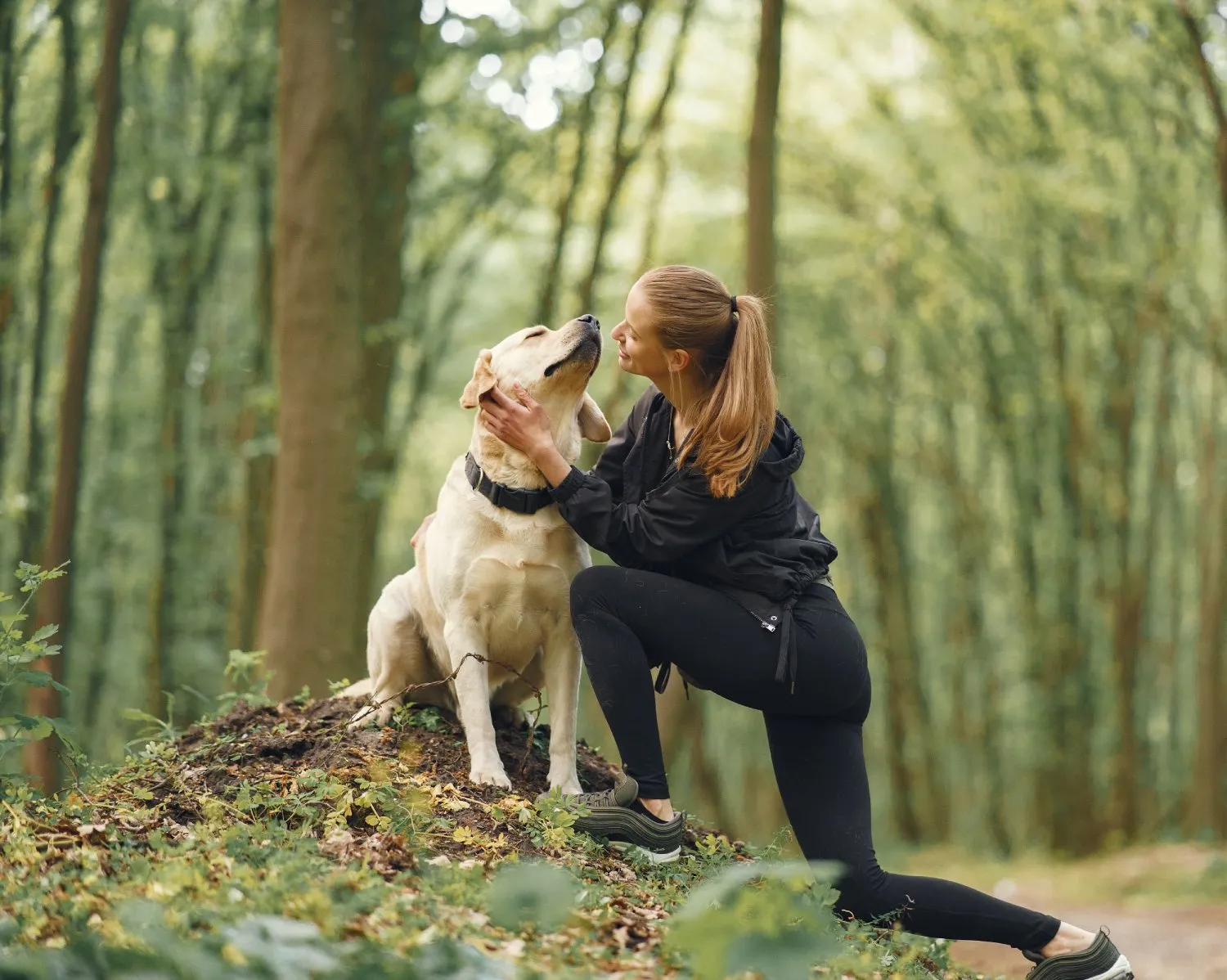
Specialty services (premium add-ons)
Once your core route is stable, specialty services can raise revenue without expanding your service area—because you’re charging more per household, not driving more. Here are premium add-ons that tend to sell well in 2026:
-
Medication administration (simple, routine meds)
Best as an add-on to a drop-in visit. Be clear about what you will/won’t do and require written instructions. -
Post-surgery recovery walks (slow, controlled, short)
This is a “calm handling + routine” service. Owners pay for caution and consistency, not distance. -
Adventure hikes (for high-energy breeds)
Price it as a premium, limited-capacity add-on (and only if you can deliver it safely). This is not a route service—treat it like a separate product. -
Senior support walks
Slow pace, shorter loop, more observation. Owners value updates that show you noticed small changes.
How to get your first clients
If you’re starting from zero, choose two channels:
- one that brings demand quickly,
- one that builds long-term local trust.
Fast traction channels
Rover and Wag! are pet-care marketplaces/apps where owners book walkers and sitters. They’re popular because they make booking and updates feel easy and trackable.
Why that matters: these platforms helped set the modern expectation that pet owners should get a report card style update after a service.
-
Rover’s lets sitters share updates with clients, and the dog walking map feature tracks the route, total time, and distance during the walk.
-
Wag promotes GPS-tracked walks plus real-time photo and video updates.
If you’re brand new, marketplaces can help you get early bookings and learn what clients expect. At the same time, build your own local presence so you can grow repeat work and packages.
Long-term local channels
Google Business Profile is often the most important. When someone searches “dog walker near me,” local visibility matters.
Add one community channel:
-
Nextdoor (neighborhood referrals),
-
local Facebook groups,
-
partner referrals (groomers, trainers, pet stores).
Example of a simple message that converts
“I run weekday dog walking routes in [Area]. You’ll get a photo + short update every visit, and weekly plans reserve your spot on my route.”
Whether you use an app or not, adopt the best habit from both: consistent updates every visit.
Moving Beyond the Marketplace
Rover and Wag! can be useful when you’re brand new because they help you get early bookings and teach you what clients expect. The tradeoff is margin: Rover states a 20% provider service fee per booking. Other marketplaces can also be costly depending on the fee model, so always read current terms.
If you want to look and operate like a pro, these are the categories that matter:
1) Pet-care software (built for dog walking)
Tools like Time To Pet are designed for dog walking operations: scheduling, invoicing, payments, client/staff apps, GPS tracking, and visit report cards.
2) Facility-style software (if you also do daycare/boarding later)
Platforms like Gingr are common for facilities and multi-service pet businesses (booking, payments, customer portal, analytics, mobile tools).
3) Simple client booking + payments (solo-friendly)
Tools like PocketSuite can work well when you’re solo and want online booking + automated reminders + easy client payment.
The upgrade path that keeps things simple: marketplaces → your own booking + payments → pet-care software when your route gets busy.
How to win in 2026
Dog walking is crowded. So the goal isn’t to look “different.” The goal is to look reliable, organized, and easy to trust—because that’s what owners keep paying for.
- Be route-based, not “available everywhere.” Pick one small area and run set windows (morning / midday / afternoon). You’ll look more reliable and you’ll earn more because stops stay close together.
- Offer “Routine Slots” instead of random bookings. Sell a limited number of weekly spots (3x/week and 5x/week). Clients like locking in a routine, and you stop chasing one-off walks.
Routine Plan (3x/week)
Best for owners who want consistency but not daily service.
Weekday Plan (5x/week)
Best for workday routines and dogs that need regular movement.
Priority Plan (5x/week + perk)
Best for owners who want priority scheduling or an included upgrade.
- Make updates a product feature. Every visit gets the same 3-part update: photo + one sentence + bathroom/energy notes. This is the trust builder that keeps clients from price-shopping.
- Have one memorable standard people repeat. Choose one: “arrival window guarantee,” “heat-smart walk rules,” or “calm-walk option.” Put it on your page and say it the same way everywhere.
- Package around real-life needs (not minutes). Example: “Workday Routine,” “Puppy Potty Plan,” “Senior Slow Walks,” “Two-Dog Household.” People buy outcomes, then you attach the walk length inside the plan.
- Use simple content as proof (no influencer vibe). Post short local-friendly clips: “how my routes work,” “what you’ll get after each walk,” “what a good update looks like.” This makes you feel established before someone even messages you.
- Keep your admin ‘smooth’ with templates. Use saved message templates (or AI to draft them once) for onboarding, confirmations, and package offers—then personalize. Clients don’t care how you wrote it; they care that it’s clear and fast.
Eco-friendly differentiators (small details that justify better clients)
Some owners will choose you because your business signals “thoughtful and modern.” Two easy differentiators:
-
Biodegradable bags + clean route habits (small detail, big impression)
-
Walkable/bike-based micro-routes where it makes sense (less noise, less delay, more consistency)
You don’t need to over-explain it. One sentence on your page is enough: “Eco-friendly route practices (biodegradable supplies and efficient local routes).”
Safety + Policies
This is the part that separates a casual walker from a business someone trusts with keys and family pets. You don’t need to sound legalistic—you need to be clear and prepared.
Insurance basics
Many pet pros carry two types of coverage because they protect different risks:
-
General liability (protects you if something happens to other people or property)
Example: a dog bites someone, or something is damaged while you’re on a visit. -
Animal bailee / pet protection (protects you if the pet is injured while in your care)
This is commonly described as coverage for claims involving an animal’s injury/illness/death while in your “care, custody, and control.”
Trust checklist (the “hire-me” signal)
You do not need every item on day one, but this checklist is how owners evaluate risk:
-
Pet First Aid / CPR training (clients recognize the Red Cross name)
-
Written policies (cancellation, access/keys, weather rules, emergencies)
-
Vet/emergency info stored (and a clear emergency authorization process)
-
Insurance (liability + pet protection)
-
Business basics (license/registration where applicable; simple service agreement)
-
If you ever hire help: background checks + bonding discussion (owners ask for it)
Policies you should set before you get busy
At minimum, decide and publish:
-
cancellation policy (how much notice),
-
how you handle keys/access,
-
what happens in extreme heat/cold,
-
emergency flow (who gets called first, where vet info lives),
-
what you do if a dog refuses to walk or shows distress.
Clients relax when you’re prepared. Prepared feels premium.
FAQ
How much should I charge for dog walking in 2026?
Most new walkers do best with a simple base rate, then adjust for route fit, complexity (multiple dogs/special handling), and time window. Your goal is not “highest price,” it’s best hourly outcome after travel time.
Do I need a license to walk dogs?
Requirements vary by location. If you want to look professional everywhere, focus on what clients care about: clear policies, insurance, and documented procedures for emergencies.
Is dog walking a profitable side hustle?
It can be, but the profitable version is route density + repeat packages. One-off walks scattered across town usually feel busy without paying well.
What’s the fastest way to get clients?
Use one channel that brings demand quickly (marketplaces or local referrals), and one that builds long-term local trust (Google Business Profile + reviews + partner referrals). Your goal is to move clients into weekly packages.
In 2026, dog walking thrives when you build predictable weekly routes with locked-in repeat clients. Keep your area small, deliver consistent updates, and sell routine packages for steady cash flow. Start modest, refine with experience, raise rates confidently, and layer on add-ons—without chaos.